
Archetype Coffee
Burundi Ngozi Kamira HG Lot 5
Burundi Ngozi Kamira HG Lot 5 is a Burundi coffee from Archetype Coffee.
In stock since:
Details
- Origin
- Burundi
- Producer
- Ngozi Kamira HG Lot 5
Available Sizes▾
- 283g — $23.00 ($8.13/100g)
- 907g — $67.00 ($7.39/100g)
- 2267g — $145.00 ($6.40/100g)
Burundi Ngozi Kamira HG Lot 5
Burundi Ngozi Kamira HG Lot 5 is a Burundi coffee from Archetype Coffee.
In stock since:
Details
- Origin
- Burundi
- Producer
- Ngozi Kamira HG Lot 5
Available Sizes
- 283g — $23.00 ($8.13/100g)
- 907g — $67.00 ($7.39/100g)
- 2267g — $145.00 ($6.40/100g)
Similar coffees to this Burundi

Burundi Natural Busambo #12
Kayanza Natural 100% Red Bourbon
Kuma Coffee
$26.50

Burundi Campazi Washed
Kayanza, Burundi Double Fermentation Bourbon
Color Roasters
$22.00

Burundi Remera
Muratu, Kayanza Province, Burundi Double Fermentation Red bourbon
Color Roasters
$22.00

Nkanda
Ngozi, Burundi Washed Red Bourbon
Flower Child
$25.50

Burundi Busambo Natural
Busambo, Muruta, Kayanza, Burundi Red Bourbon
Color Roasters
$22.00
Busambo, Burundi 227g
Kayanza Province, Burundi Washed Bourbon
Duck Rabbit Coffee
$24.00



Description
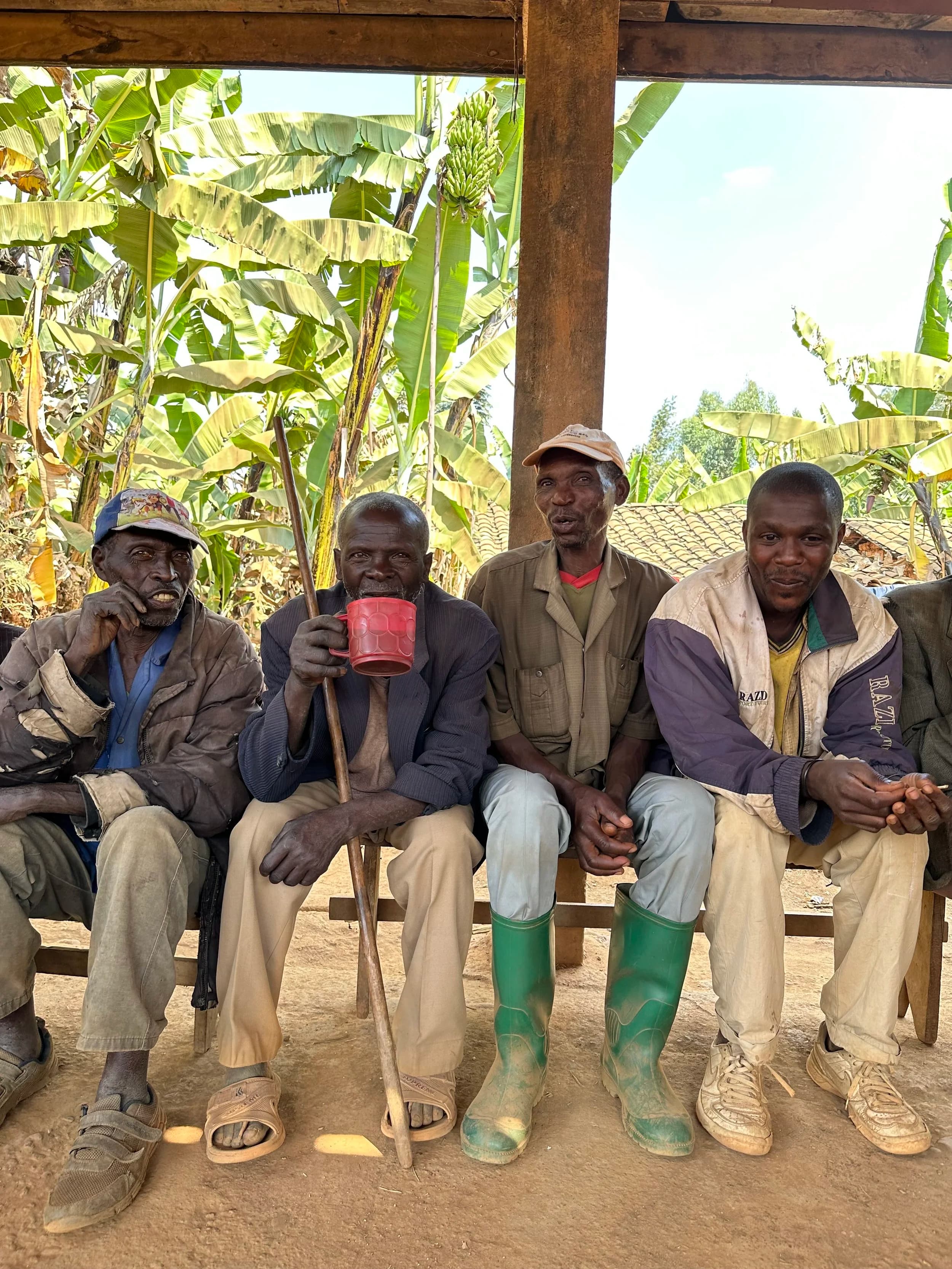
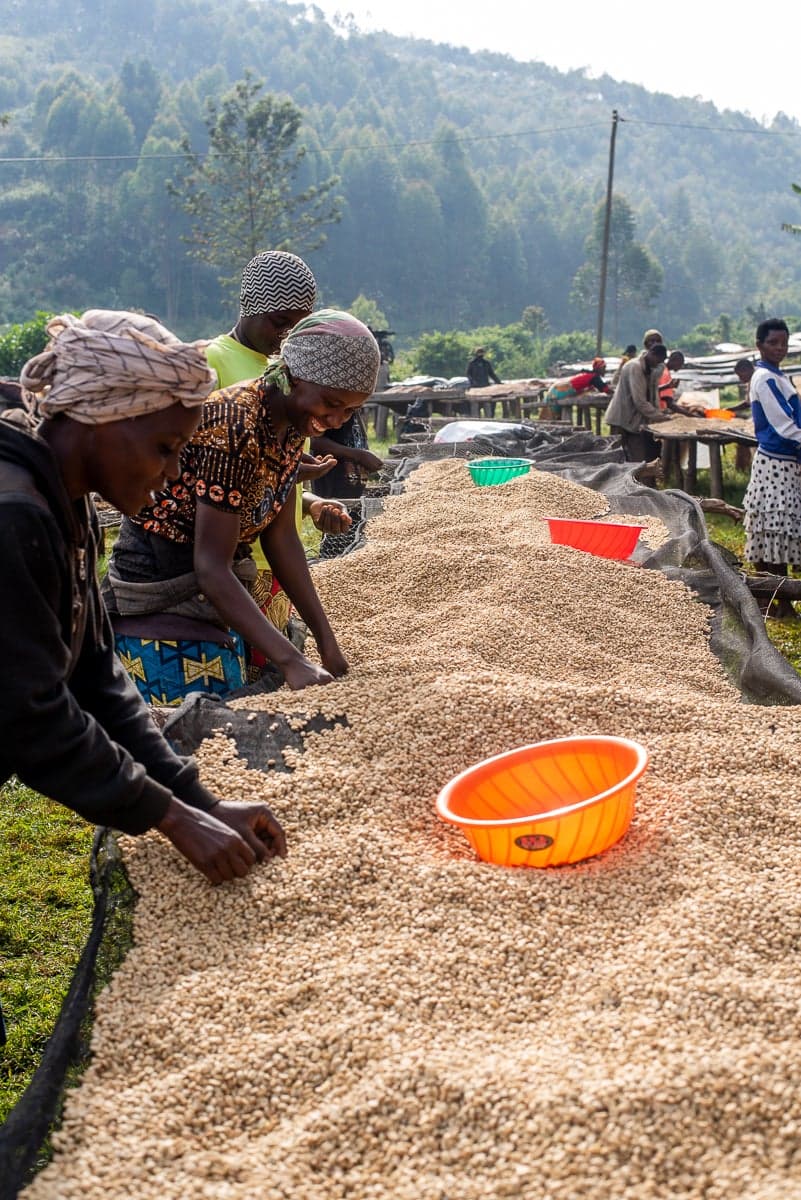
Burundi is a small, landlocked nation in East Africa, bordered by Tanzania, Rwanda, the Democratic Republic of Congo, and Lake Tanganyika—the second-largest freshwater lake in the world and the deepest in Africa. Spanning nearly 28,000 square kilometers, Burundi is home to almost 13million people, making it one of the most densely populated countries on the continent. The vast majority of the population relies on subsistence farming; consequently, cash crops like coffee and tea are vital lifelines that provide families with the income necessary for education, livestock, and essential household needs. The journey to the coffee heartland begins by flying into Bujumbura, the capital and home to the country’s only paved airport. This lower-elevation area is characterized by hot, seasonally dry conditions and rice farming. A two-hour drive on paved roads leads to the city of Ngozi. From there, reaching the farms of the Kamira community—located on the hill of the same name—requires an additional hour of travel over rugged dirt roads. Historically, the Ngozi province has been overlooked by coffee buyers in favor of the more densely populated Kayanza region. Ngozi coffees have frequently been marketed as high-volume blenders, with many failing to appreciate the unique, eloquent flavor profiles found in this area. Here, the Nkanda washing station acts as the region's processing backbone. Producers typically deliver their coffee cherries to washing station on foot,though some utilize bicycles or motorcycles. Coffee in this region is grown almost entirely in full sun, and because fertilizers are often cost-prohibitive, families supplement their income and diet with crops like bananas, maize, cassava, and beans. At the washing station, the coffee undergoes a meticulous double-fermentation process: 12 hours of wet fermentation followed by another 12 hours in cement tanks. The parchment is then dried for 20 to 25 days on traditional African raised beds. These distinct washed coffees are meticulously separated by hill and community—typically representing extended multigenerational families—to honor the specific microclimates of the region. Operating in Burundi involves navigating extreme challenges. It remains among the world's poorest nations, with a per capita GDP often estimated between 10 and 20 USD. This poverty is both a cause and a result of systemic issues, including food insecurity, ethnic conflict, fuel shortages, and political instability. Such conditions make it difficult to establish the smooth, trust-based systems required for long-term trade. Government involvement often complicates the sector further. Heavy bureaucracy and frequent regulatory changes create uncertainty, while the national coffee authority, ODECA, faces a conflict of interest by acting as both a regulator and a producer. Consequently, profitability is often only reachable for those producing massive volumes or exceptional quality. Despite these hurdles, many Burundian producers are building resilient, quality-focused operations. Red Fox remains committed to supporting these efforts by opening new markets, allowing producers to secure competitive prices and more sustainable incomes for their families.


