Laos washed Catigua
Laos washed Catigua is a Washed, Catigua coffee from S&W Craft Roasting.
In stock since: --
Details
- Process
- Washed
- Variety
- Catigua
- Producer
- smallholder farmers on the Boloven Plateau
Similar roasts across all roasters

MERLAEKU FAMILY WASHED
Newbery Street Coffee Roasters
$22.00

El Alisal Washed Catucai - 200g (7.05oz) - Roasted 03/11/2026
NormlPpl
$19.34

La Shapa – Typica
Sweven Coffee
$20.20

Lemon Colombia Caturra
Good Brothers Coffee
$14.99

Finca Artemira - Ebert Huaman - Anaerobic Washed Catuai - Peru
Moonwake
$23.00

Chavez Estate Lot #2 - Jhenrri Chavez - Washed SL9 - Peru
Moonwake
$43.00


Description
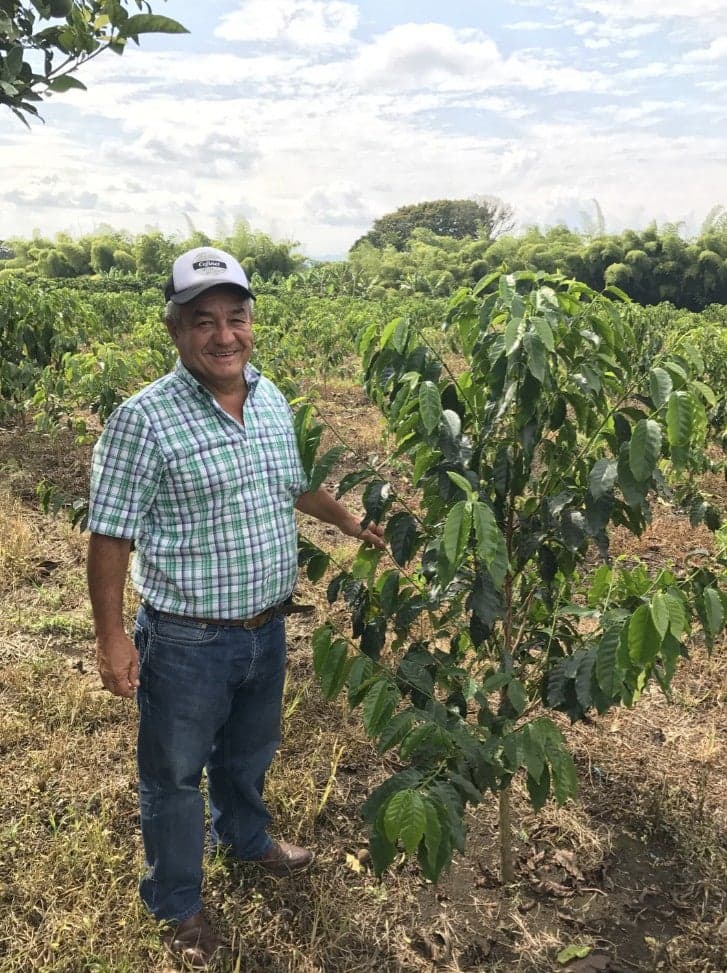
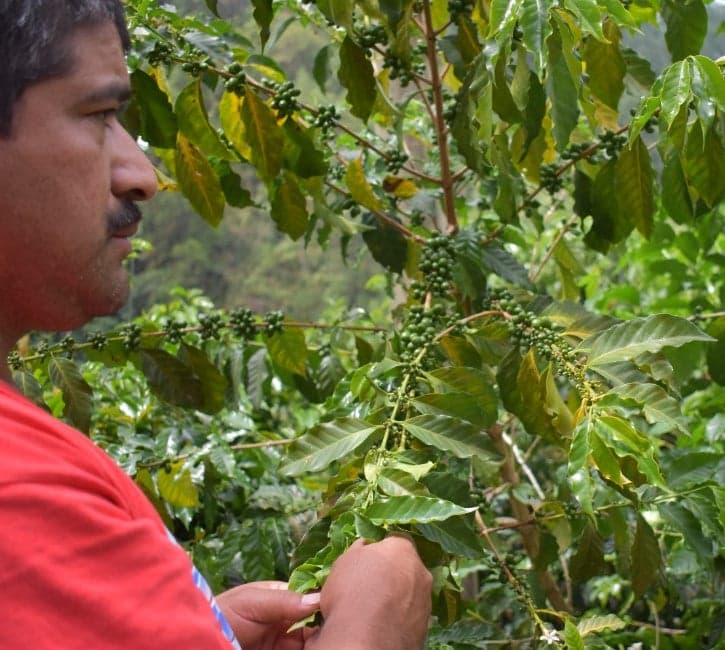
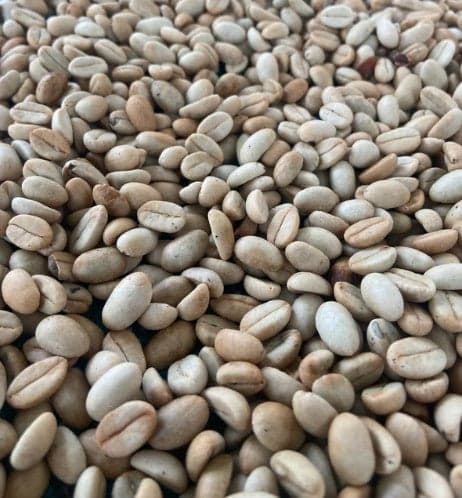
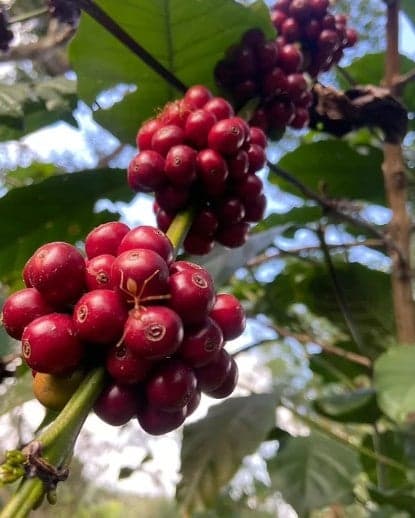
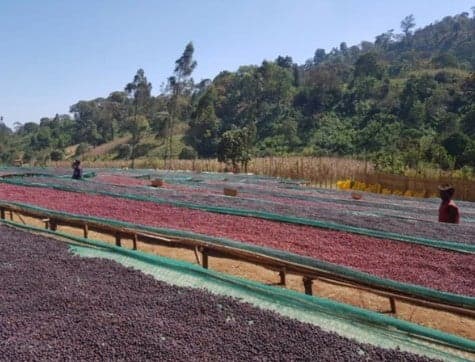
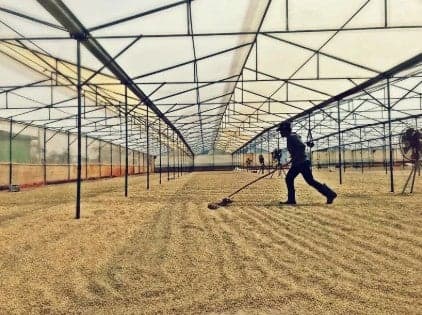
I'm very excited to offer our first bean from Laos! This brings nice malic acidity to a well structured cup with hints of spice tones like cinnamon and nutmeg in the finish. As it cools I pick up flavors of canary melon or yellow plum. This is quite enjoyable, and a refreshing break from wild and crazy flavors.Will it Spro? Oh yes - very nice Turbo shots!Recommended Minimum Rest: 2 weeksRoast Color: 130.0 (higher is lighter)Catigua varietal grown by smallholder farmers on the Boloven Plateau, washed process, 1050-1350 masl.Sold in 300g bags.Brewmaster J's Notes and Tips**S&W Catigua Washed Laos** My cups transformed quite a bit from the 2-4wk marks. First cups were very star anise forward with lots of brown sugar sweetness accompanied by a citric acidity. By 4wks that star anise toned down quite a bit and a fruit note somewhere between berry and melon came through. The sweetness remained, but in more of a palm sugar tone and the acidity was much more orange forward. Overall this was a really interesting coffee as it’s not only a first Laos coffee for me, but also it’s a coffee that really evolved from start to finish while being very pleasant all the way through.Grind 4.7 ZP6 Temp 92CBrewer V60-01Recipe 4 pour 15g/250g recipe 50/80/70/50 with a 45s bloomHistory of Coffee in LaosAt the beginning of the 20th century, the Yahern people (also: Nyaheun) came down from the Annamite mountains, which define the eastern edge of Bolaven Plateau and the border with Vietnam, to discover they were citizens of something called the Kingdom of Champasak. They were granted land by the royal family and for 120 years they farmed this land, including coffee, which was introduced to northern Laos by the French in 1915. Coffee production moved to the Plateau, where the altitude and climate are ideal, in the 1920’s. Today, villages like Nongluang, Lassasin, and Xenamnoi are part of a network of seven villages that make up the Xekatham Estate from which Olam chooses the finest coffees grown in the region. Over the last two decades, the government has promoted the transition of Laos coffee from Robusta, which was planted in the 1950’s in response to diseases like rust, to Arabica.Growing Coffee in LaosOn the Bolaven Plateau at the southern tip of Laos, where 95% of Laotian coffee is grown, altitudes reach 1,350 masl, with significant potential for expanding specialty coffee production. The Bolaven Plateau is made of rich volcanic soils that contribute to a wealth of vegetation. Numerous rivers and creeks of every size cross the plateau heading west and eventually to the Mekong river, which marks the western edge of the plateau. The French discovered the value of the Bolaven Plateau 100 years ago when they first planted coffee, rubber, bananas, and other cash crops in the region. Agriculture, like the native vegetation, thrives on the plateau and it is classic coffee land, cool weather tropics with abundant rainfall and volcanic soil. Coffee has begun to attract new young farmers and Olam is actively engaged in educating smallholders in all aspects of quality processing. Hand cranked pulpers are becoming more common so smallholders can make more money by selling parchment rather than cherry.